.png)


Light That Heals: How Cold Laser Therapy Is Changing What's Possible in Integrative Care

Most people have a reasonable mental model of what acupuncture does: needles, specific points on the body, something to do with energy and circulation. Fewer people have heard of low-level laser therapy (LLLT), also called cold laser therapy or photobiomodulation. That's starting to change, and for good reason.
At Bridges Acupuncture, we've added LLLT to our practice using Erchonia devices, which hold more FDA clearances in the low-level laser category than any other manufacturer. Here's what it is, how it works, and why we think it belongs in a conversation about serious healthcare.
The word "laser" might conjure images of surgical tools or sci-fi gadgets, but cold lasers work on an entirely different principle. They emit low-intensity light at specific wavelengths, and that light interacts with your cells at the biochemical level. There's no heat, no cutting, and no tissue damage. Most people feel nothing at all during treatment.
Here's what's actually happening inside your body: your mitochondria, the parts of your cells responsible for producing energy, contain a protein called cytochrome c oxidase (CCO) that is sensitive to specific wavelengths of light. When low-level laser light reaches CCO, it triggers a chain of events: the mitochondria produce more ATP (cellular energy), nitric oxide is released (which improves blood flow and reduces inflammation), and the cells shift into a mode of repair and regeneration. This process is called photobiomodulation.
The result is that cells that have been stressed, inflamed, or functioning below their potential are essentially given a boost. This isn't a surface-level intervention; it's working at the deep level of cellular metabolism.
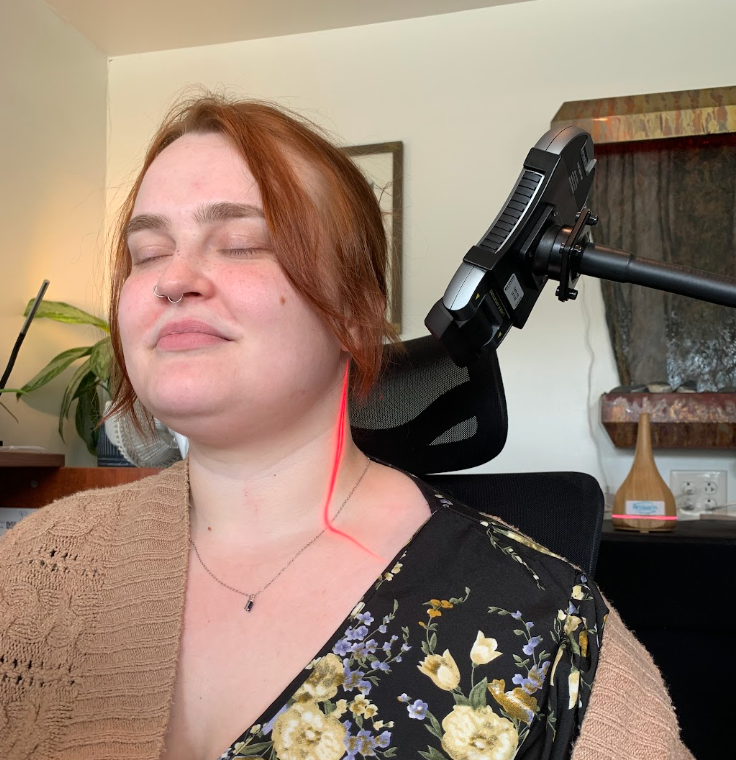
Erchonia has earned 22 FDA 510(k) clearances for its devices across a range of conditions. These clearances are meaningful: they are based on double-blind, randomized, placebo-controlled clinical studies, the same standard of evidence used in pharmaceutical research.
Among the cleared applications for Erchonia devices: chronic neck and shoulder pain, chronic low back pain, plantar fasciitis (heel pain), whole-body musculoskeletal pain, and toenail fungus (onychomycosis). The Erchonia GVL is the first and only low-level laser device cleared by the FDA for simultaneously addressing both pain and inflammation.
What makes these clearances particularly compelling is what they imply beyond their stated indications. Because LLLT works through fundamental cellular repair mechanisms, the documented effects on pain, circulation, inflammation, and tissue healing have broad applicability. Practitioners are seeing results in wound healing, nerve pain, joint conditions, dermatology, and recovery from acute injuries, among other areas, because the underlying biology is the same.
Erchonia devices are used by a range of licensed practitioners, including chiropractors, physical therapists, acupuncturists, and physicians. If you're interested in finding someone in your area who uses Erchonia equipment, the company maintains a searchable provider directory at erchonia.com, where you can look for practitioners by location.
At Bridges Acupuncture, we think of LLLT as a natural extension of what acupuncture already does: reduce pain, support circulation, calm inflammation, and create conditions in the body where healing is possible. The two modalities share a philosophy of working with the body's own intelligence rather than overriding it.In practice, we use LLLT in two primary ways.
For many patients, laser therapy is used alongside acupuncture to enhance results, particularly in cases involving chronic pain, inflammation, or tissue injury. The laser can reach areas of the body where needles alone may be less effective, and the cellular effects of photobiomodulation complement the circulatory and regulatory effects of acupuncture.For patients who are needle-sensitive, anxious about needles, or simply prefer a non-insertive approach, LLLT offers a real alternative. All of the clinical benefits of the treatment, none of the needles. This matters to us because our goal has always been to meet patients where they are and offer the most thoughtful, individualized care plan we can.
If you're managing chronic pain, slow-healing injuries, musculoskeletal conditions, or inflammation that hasn't resolved with other approaches, LLLT may be worth exploring. We'd be glad to talk with you about whether it might be a good fit for your situation.
Laura Ellis is the owner and primary provider at Bridges Acupuncture in Harmony. You can learn more or schedule at www.bridgesaom.com

--Laura Ellis, LAc, LOM
724.453.4335


Football supporters often share stories about memorable stadium food alongside unforgettable matches. Scrandle captures that side of football culture through real-world examples.
I wanted a lightweight browser game and found Drive Mad free. The increasing challenge kept me retrying levels until I got the perfect run.